Per person, land only. Park fees included where noted.
Day 1: Arusha to the Serengeti. It is a long drive — roughly eight hours with stops — and it climbs through the Ngorongoro highlands before dropping onto the plains. Most people underestimate how much of the experience this day is. You cross the crater rim, look down into it, and then the country opens into short-grass plain that runs to the horizon with nothing on it but sky.
We enter through Naabi Hill Gate. The gate itself is worth the stop: a granite outcrop with a short climb to a viewpoint, and from the top you get your first proper sense of the scale of this place. Serengeti means “endless plain” in Maa and the name is not decoration.
Afternoon game drive en route to camp in the Seronera valley — the central Serengeti, and the most reliable year-round game area in the park because the Seronera River holds water when the plains dry out.
Day 2: A full day in the Serengeti, and the day this trip exists for. Early start, because the light is good and the cats are still moving. Seronera has one of the highest lion densities in Africa, and the kopjes — those granite islands scattered across the grassland — are where they lie up. Leopard are in the riverine acacias along the watercourse; this is one of the better places in Africa to find them.
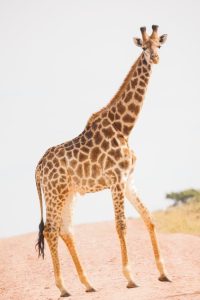
Cheetah favour the more open ground to the south-east. Elephant, buffalo, giraffe, topi, and enormous numbers of zebra and wildebeest depending on where the migration is that month.
Where the herds are depends entirely on when you come, and we will tell you honestly before you book. Roughly: December to March they are on the southern short-grass plains around Ndutu, calving. April to June they move west and north through the Western Corridor. July to October they are in the north near the Mara River. November they drift south again. Seronera sits in the middle and sees movement through much of the year.
Full-day game drive with a picnic lunch in the park.
Day 3: A final morning drive — often the best of the trip, because you know how to look by now — then the drive back to Arusha, arriving late afternoon.
Be realistic about this trip. Two of the three days involve serious driving, and you get one full day in the park. It exists for people with limited time: a business trip with a weekend attached, or a Zanzibar holiday with three days to spare. If you have five days, the 5-Day Northern Circuit gives you far more park time for not much more money, and we would rather say so.
Flying option: You can fly one or both legs into the Seronera airstrip, which converts most of a driving day into game-viewing time. It costs more. For a three-day trip it is often the difference between a rushed trip and a good one — ask us for the current fare.
The name, and what it meant before it was a park
Serengeti comes from the Maa word siringet — roughly, the place where the land runs on forever. The Maasai were grazing these plains for more than two hundred years before Oscar Baumann became the first European to cross them in 1892.
It became a protected area because of hunting. Sport hunters came for what was arguably the greatest concentration of big game on the continent; one American party shot around fifty lions near Seronera over a single three-month camp in the 1920s. The British administration created a partial game reserve in 1921, extended it in 1929, and declared the national park in 1951.
You will be driving through Seronera, which is where that camp was.